ΑΡΧΙΤΕΚΤΟΝΙΚΕΣ ΜΑΤΙΕΣ
01 Μάρτιος, 2006
H νέα φρουρά κτίζει το μέλλον
Γνωρίζαμε ότι η αρχιτεκτονική έχει βρει το ιδανικό έδαφος στην Ισπανία: μετά τον Σαντιάγο Καλατράβα και (παλιότερα) τον Φρανκ Γκέρι - στο περίφημο Μουσείο στο Μπιλμπάο - οι πολλαπλές αναθέσεις στη «νέα φρουρά» έχουν πυκνώσει: η Χαντίντ έχει τρία κτίρια στην Ισπανία, ο Ζαν Νουβέλ πέντε, οι Χέρτζογκ και Ντε Μέιρον εφτά (!)
MIA ΕΚΘΕΣΗ ΣΤΗ NEA ΥΟΡΚΗ, ΔΥΟ ΓΥΝΑΙΚΕΣ KAI ENA ΕΛΒΕΤΙΚΟ ΖΕΥΓΑΡΙ ΕΜΦΑΝΙΖΟΝΤΑΙ ΩΣ ΟΙ ΠΡΩΤΑΓΩΝΙΣΤΕΣ ΓΙΑ ΤΟ 2006
M. ΦΙΛΙΠΠΙΔΗΣ - (Το ΒΗΜΑ, 31/12/2005)
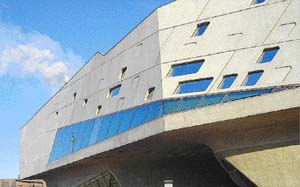
Εικόνα από το κτίριο Phaeno στο Βόλφσμπουργκ, από τη Ζαχά Χαντίντ
H προσεχής έκθεση «On-Site: New Architecture in Spain» (12.2.06 έως 1.5.06) στο Museum of Modern Art της Νέας Υόρκης ανακεφαλαιώνει αυτή την ισπανική υπερπαραγωγή. Μια έκθεση που θα πρέπει να θεωρηθεί μείζονος σημασίας - έχει άλλωστε ιστορικά αποδειχθεί η εγκυρότητα και η μεγάλη επίδραση των εκθέσεων αρχιτεκτονικής του MoMA. Για να καταλήξει στα 53 εκτιθέμενα κτίριά του, ο απερχόμενος, ικανότατος επιμελητής του μουσείου, ο Τέρενς Ράιλι, επισκέφθηκε 40 πόλεις, 60 διαφορετικά αρχιτεκτονικά γραφεία και 100 γιαπιά...
Στην έκθεση αυτή συμμετέχουν δύο γυναίκες τις οποίες ξεχωρίζουμε γιατί και οι δύο σχεδιάζουν με μοναδικό ταλέντο μια ελαφριά και αισθησιακή αρχιτεκτονική. Η μεν Χαντίντ είναι γνωστή εδώ και καιρό για τα δυναμικά κτίριά της που σηκώνονται από τη γη λες και το έδαφος είναι εύπλαστο. Θα ανοίξει δρόμο, όχι μόνο για τον σχεδιασμό της αλλά και επειδή χρησιμοποιεί καινοτόμο είδος μπετόν, που θα επιτρέψει τη διαμόρφωση νέων μορφών κτιρίων. Οι αναθέσεις στο γραφείο της αυξάνονται πια με γεωμετρική πρόοδο - αποζημίωση, θαρρείς, για τα χρόνια που οι πελάτες προσπερνούσαν τις προτάσεις της πιστεύοντας ότι ήταν όνειρα θερινής νυκτός... H δε Γιαπωνέζα Καζούγιο Σετζίμα έχει και αυτή κάτι από όνειρο στα κτίριά της - οι τοίχοι της είναι λεπτοί σαν φύλλα χαρτιού και οι τζαμένιες προσόψεις της καμπυλώνουν λες και είναι ρυζόχαρτα. H Σετζίμα ετοιμάζει τη δική της ήσυχη επανάσταση -το μουσείο γυαλιού της στο Toledo εγκαινιάζεται την άνοιξη του 2006 και άλλα κτίριά της κατασκευάζονται στην Ολλανδία και στη Γερμανία.
Κοντά στα αιθέρια κτίρια της Σετζίμα βρίσκονται και οι ελβετοί Χέρτζογκ και Ντε Μέιρον. H αρχιτεκτονική τους με τις πλούσιες υφές είναι «ντοπαρισμένη» από το στάδιό τους για το Πεκίνο του 2008, από το Allianz Arena, που ολοκλήρωσαν, και από το Μουσείο de Young στο San Fransisco. Επιπλέον, ο δαιμόνιος επιχειρηματίας Ιαν Σράγκερ, που ως τώρα είχε πάρει το ρίσκο να ενώσει το ελβετικό ζευγάρι με τον Ρεμ Κούλχαας (και ας έμεινε τότε το κτίριο στα χαρτιά), ξαναχτυπά μέσα στην επόμενη χρονιά με το νέο, απόρρητο ξενοδοχείο του για τη Νέα Υόρκη, γυάλινης όψης, που θα κατασκευασθεί ειδικά στη Βαρκελώνη. Μετά το διεθνές ενδιαφέρον για το ξενοδοχείο Puerta America (και αυτό στην Ισπανία), ο εξπέρ Σράγκερ αντεπιτίθεται δριμύτερος...
Το ΒΗΜΑ, 31/12/2005 , Σελ.: C08
Κωδικός άρθρου: B14653C082
ID: 274672
M. ΦΙΛΙΠΠΙΔΗΣ - (Το ΒΗΜΑ, 31/12/2005)
Εικόνα από το κτίριο Phaeno στο Βόλφσμπουργκ, από τη Ζαχά Χαντίντ
H προσεχής έκθεση «On-Site: New Architecture in Spain» (12.2.06 έως 1.5.06) στο Museum of Modern Art της Νέας Υόρκης ανακεφαλαιώνει αυτή την ισπανική υπερπαραγωγή. Μια έκθεση που θα πρέπει να θεωρηθεί μείζονος σημασίας - έχει άλλωστε ιστορικά αποδειχθεί η εγκυρότητα και η μεγάλη επίδραση των εκθέσεων αρχιτεκτονικής του MoMA. Για να καταλήξει στα 53 εκτιθέμενα κτίριά του, ο απερχόμενος, ικανότατος επιμελητής του μουσείου, ο Τέρενς Ράιλι, επισκέφθηκε 40 πόλεις, 60 διαφορετικά αρχιτεκτονικά γραφεία και 100 γιαπιά...
Στην έκθεση αυτή συμμετέχουν δύο γυναίκες τις οποίες ξεχωρίζουμε γιατί και οι δύο σχεδιάζουν με μοναδικό ταλέντο μια ελαφριά και αισθησιακή αρχιτεκτονική. Η μεν Χαντίντ είναι γνωστή εδώ και καιρό για τα δυναμικά κτίριά της που σηκώνονται από τη γη λες και το έδαφος είναι εύπλαστο. Θα ανοίξει δρόμο, όχι μόνο για τον σχεδιασμό της αλλά και επειδή χρησιμοποιεί καινοτόμο είδος μπετόν, που θα επιτρέψει τη διαμόρφωση νέων μορφών κτιρίων. Οι αναθέσεις στο γραφείο της αυξάνονται πια με γεωμετρική πρόοδο - αποζημίωση, θαρρείς, για τα χρόνια που οι πελάτες προσπερνούσαν τις προτάσεις της πιστεύοντας ότι ήταν όνειρα θερινής νυκτός... H δε Γιαπωνέζα Καζούγιο Σετζίμα έχει και αυτή κάτι από όνειρο στα κτίριά της - οι τοίχοι της είναι λεπτοί σαν φύλλα χαρτιού και οι τζαμένιες προσόψεις της καμπυλώνουν λες και είναι ρυζόχαρτα. H Σετζίμα ετοιμάζει τη δική της ήσυχη επανάσταση -το μουσείο γυαλιού της στο Toledo εγκαινιάζεται την άνοιξη του 2006 και άλλα κτίριά της κατασκευάζονται στην Ολλανδία και στη Γερμανία.
Κοντά στα αιθέρια κτίρια της Σετζίμα βρίσκονται και οι ελβετοί Χέρτζογκ και Ντε Μέιρον. H αρχιτεκτονική τους με τις πλούσιες υφές είναι «ντοπαρισμένη» από το στάδιό τους για το Πεκίνο του 2008, από το Allianz Arena, που ολοκλήρωσαν, και από το Μουσείο de Young στο San Fransisco. Επιπλέον, ο δαιμόνιος επιχειρηματίας Ιαν Σράγκερ, που ως τώρα είχε πάρει το ρίσκο να ενώσει το ελβετικό ζευγάρι με τον Ρεμ Κούλχαας (και ας έμεινε τότε το κτίριο στα χαρτιά), ξαναχτυπά μέσα στην επόμενη χρονιά με το νέο, απόρρητο ξενοδοχείο του για τη Νέα Υόρκη, γυάλινης όψης, που θα κατασκευασθεί ειδικά στη Βαρκελώνη. Μετά το διεθνές ενδιαφέρον για το ξενοδοχείο Puerta America (και αυτό στην Ισπανία), ο εξπέρ Σράγκερ αντεπιτίθεται δριμύτερος...
Το ΒΗΜΑ, 31/12/2005 , Σελ.: C08
Κωδικός άρθρου: B14653C082
ID: 274672